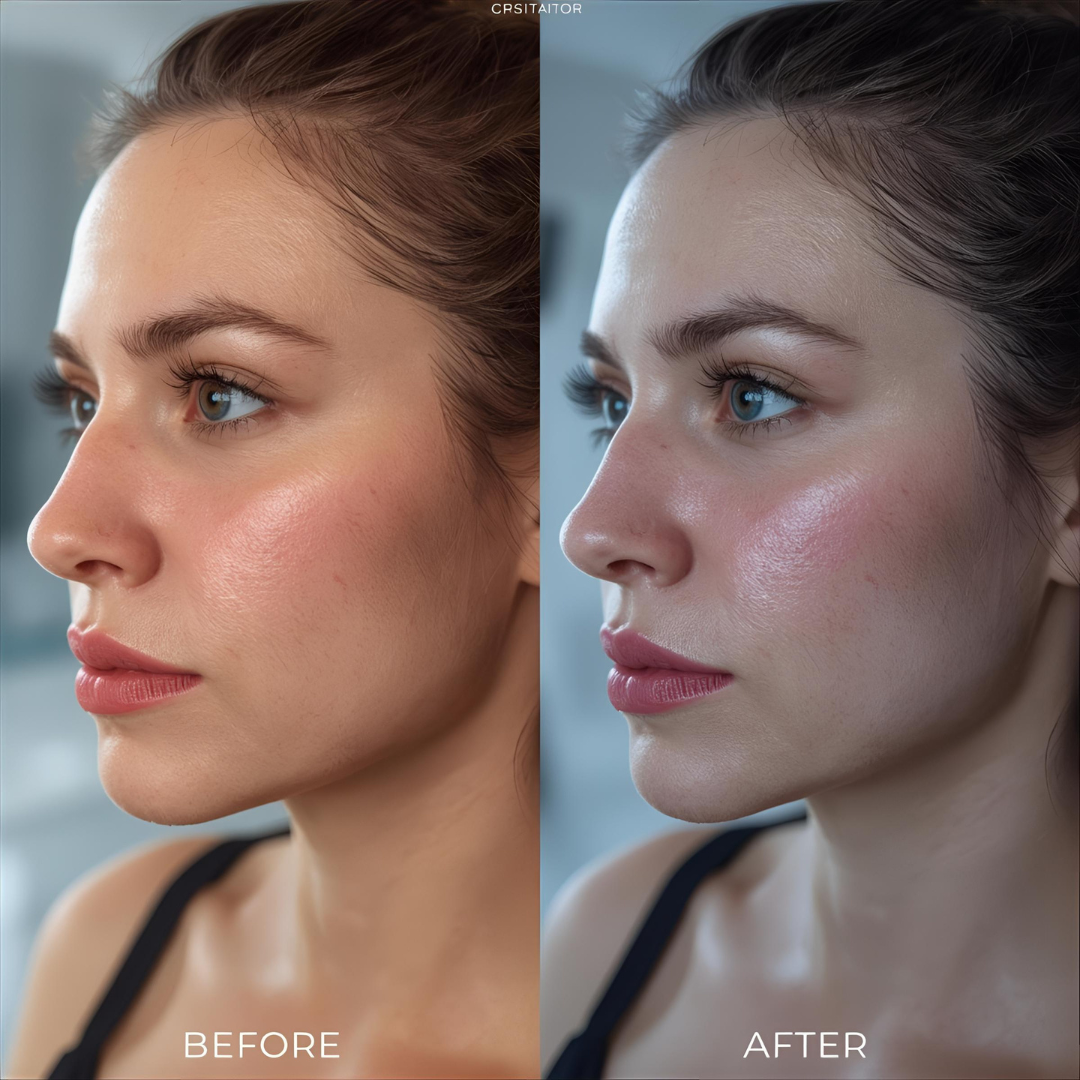
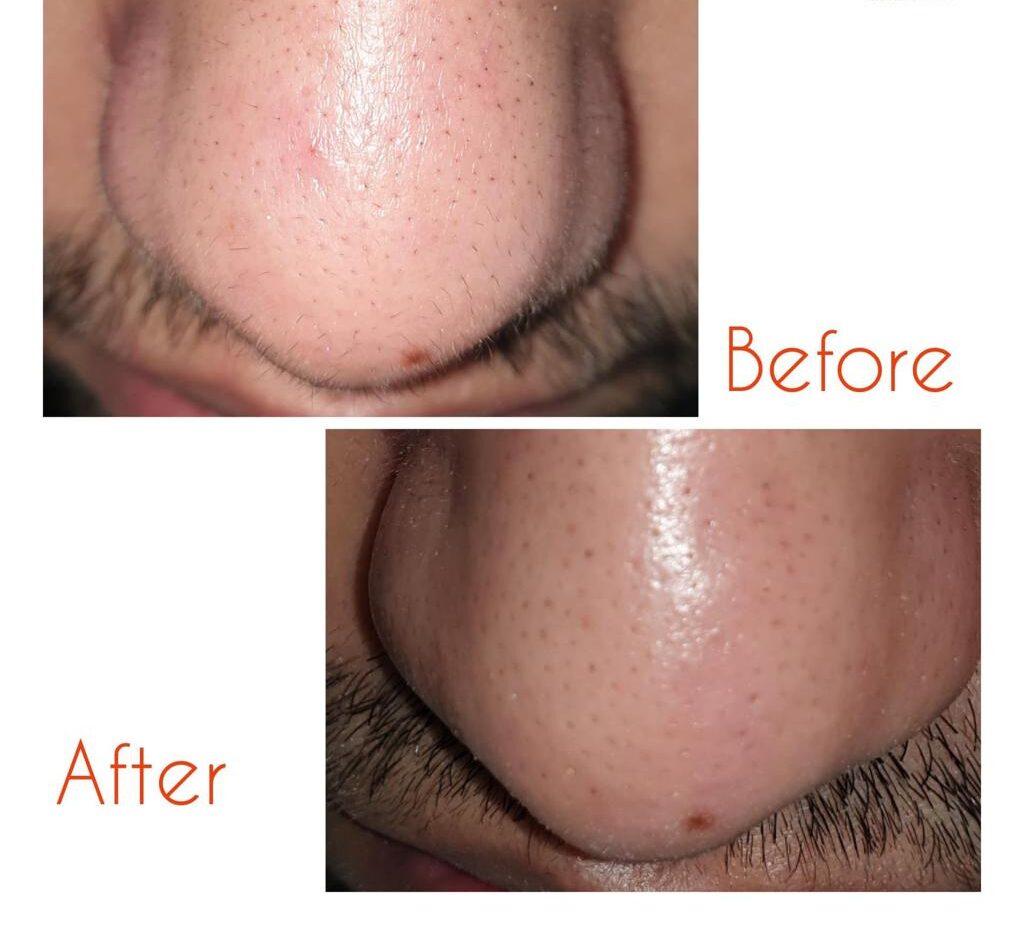
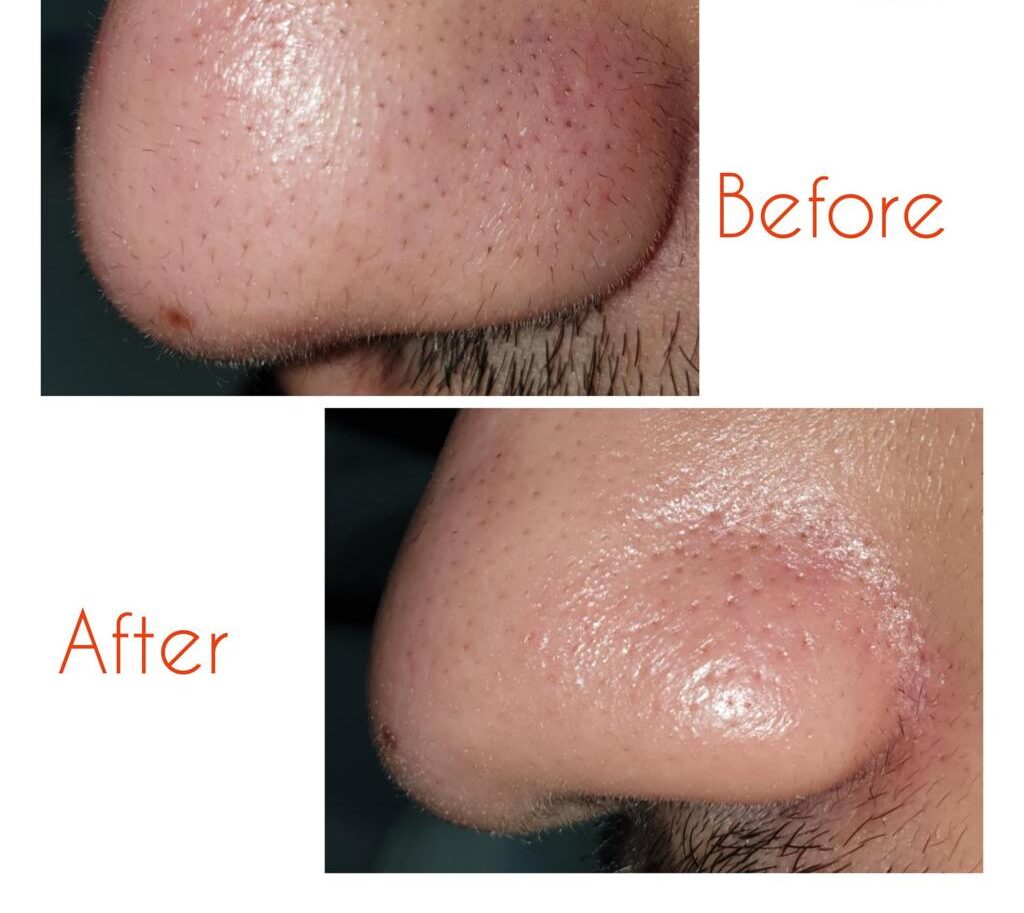
BEOFRE & AFTER
Treatment Results


100% NATURAL
Products we Use

HAVE A QUESTION?
Call Us Now
8910252642
Laser Hair Removal
Laser hair removal is a medical procedure that uses a concentrated beam of light (laser) to remove unwanted hair.
The pigment (melanin) in the hair absorbs the laser light that is emitted during laser hair removal. The light energy is transformed into heat, which harms the skin’s hair-producing follicles, which are tube-shaped sacs. Future hair development is inhibited or delayed by this injury.
Even while laser hair removal efficiently stops hair growth for extended periods of time, it typically doesn’t remove hair permanently. For initial hair removal, several laser treatments are required, and follow-up treatments may be necessary. Although it can be used successfully on anyone, laser hair removal is most effective on persons with light skin and black hair.
Safe & Painless
Nam eget dui. Etiam rhoncus. Maecenas tempus, tellus eget condimentum rhoncus, sem quam semper libero, sit amet adipiscing sem neque sed ipsum.
Etiam Sit Amet Orci Eget Eros Faucibus Tincidunt. Sed Fringilla Mauris Sit Amet Nibh.nullam Quis Ante Etiam Sit Amet Orci Eget.eros Faucibus Tincidunt Duis Leo.


Skin, Body & Face
Nam eget dui. Etiam rhoncus. Maecenas tempus, tellus eget condimentum rhoncus, sem quam semper libero, sit amet adipiscing sem neque sed ipsum.
Etiam Sit Amet Orci Eget Eros Faucibus Tincidunt. Sed Fringilla Mauris Sit Amet Nibh.nullam Quis Ante Etiam Sit Amet Orci Eget.eros Faucibus Tincidunt Duis Leo.
Tests and Consulting
Nam eget dui. Etiam rhoncus. Maecenas tempus, tellus eget condimentum rhoncus, sem quam semper libero, sit amet adipiscing sem neque sed ipsum.
Etiam Sit Amet Orci Eget Eros Faucibus Tincidunt. Sed Fringilla Mauris Sit Amet Nibh.nullam Quis Ante Etiam Sit Amet Orci Eget.eros Faucibus Tincidunt Duis Leo.
Frequently Asked Questions
Why it's done
Unwanted hair can be reduced via laser hair removal. Legs, armpits, the upper lip, the chin, and the bikini line are among the common areas treated. With the exception of the eyelid or vicinity, it is possible to cure undesirable hair in almost any place. Tattooed skin also shouldn’t be treated.
The effectiveness of laser hair removal is influenced by skin type and hair colour. The fundamental idea is that light should be absorbed by the pigment in hair but not by the pigment in skin. The skin shouldn’t be harmed by the laser, which should only harm the hair follicles. The best results are obtained by having black hair and pale skin, which contrasts with each other.
Risks
The likelihood of adverse reactions varies depending on the patient’s skin type, hair colour, treatment strategy, and adherence to pre- and post-treatment care. The most frequent negative effects of laser hair removal are as follows:
- Skin irritation. Temporary discomfort, redness and swelling are possible after laser hair removal. Any signs and symptoms typically disappear within several hours.
- Pigment changes. Laser hair removal might darken or lighten the affected skin. These changes might be temporary or permanent. Skin lightening primarily affects those who don’t avoid sun exposure before or after treatment and those who have darker skin.
Rarely, laser hair removal might alter the texture of the skin by causing blistering, crusting, scarring, or other problems. Graying of treated hair or excessive hair growth around treated regions are rare but possible side effects, especially for people with darker skin.
Eyelids, brows, and surrounding areas shouldn’t be treated with laser hair removal due to the risk of serious eye damage.
How you prepare
Choose a specialist who has experience with laser hair removal on your skin type and is board certified in a speciality like dermatology or cosmetic surgery if you’re interested in the procedure. If a physician assistant or registered nurse will perform the procedure, make sure a doctor will oversee it and be there while it is being done. Avoid visiting spas, salons, or other establishments where laser hair removal is performed by non-medical staff.
Before laser hair removal, schedule a consultation with the doctor to determine if this is an appropriate treatment option for you. Your doctor will likely do the following:
- Review your medical history, including medication use, history of skin disorders or scarring, and past hair removal procedures
- Discuss risks, benefits and expectations, including what laser hair removal can and can’t do for you
- Take photos to be used for before-and-after assessments and long-term reviews
Discuss a treatment plan and associated charges during the appointment. The cost of laser hair removal is typically borne by the patient.
Additionally, the doctor will provide detailed instructions on how to get ready for laser hair removal. These could consist of:
- Staying out of the sun. Follow your doctor’s advice for avoiding sun exposure before and after treatment. Whenever you go out, apply a broad-spectrum, SPF30 sunscreen.
- Lightening your skin. Avoid any sunless skin creams that darken your skin. Your doctor might also prescribe a skin bleaching cream if you have a recent tan or darker skin.
- Avoiding other hair removal methods. Plucking, waxing and electrolysis can disturb the hair follicle and should be avoided at least four weeks before treatment.
- Avoiding blood-thinning medications. Ask your doctor about what medications, such as aspirin or anti-inflammatory drugs, to avoid before the procedure.
- Shaving treatment area. Trimming and shaving is recommended the day before laser treatment. It removes hair above the skin that can result in surface skin damage from burnt hairs, but it leaves the hair shaft intact below the surface.
What you can expect
Two to six sessions are typically needed for laser hair removal. Depending on the location, a different amount of time will pass between treatments. Depending on how quickly the hair grows, the treatment may need to be repeated after four to eight weeks on places like the upper lip. The therapy may be repeated every 12 to 16 weeks on parts of the body where hair grows slowly, like the back.
You will put on specialised goggles for each treatment to shield your eyes from the laser beam. If necessary, a helper might reshave the area. Your skin may receive a topical anaesthetic from the doctor to lessen any discomfort while receiving treatment.
During the procedure
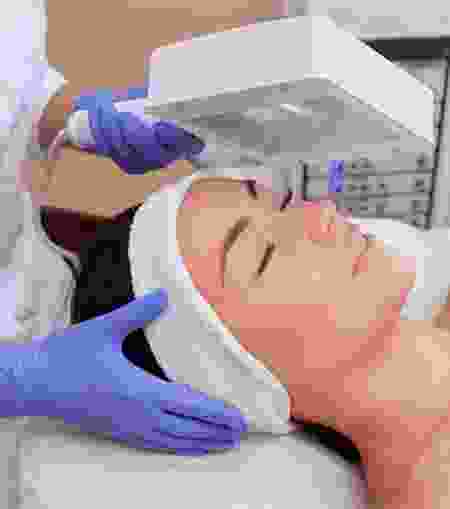
The physician will apply a handheld laser device to your skin. To protect your skin and reduce the danger of side effects, a cooling device on the laser’s tip or a cold gel may be used, depending on the type of laser.
The laser beam will penetrate your skin to the hair follicles when the doctor turns on the laser. The laser beam’s strong heat destroys the hair follicles, which prevents new hair from growing in. You might experience pain, such as a warm pinprick, and the cooling device or gel will probably make you feel cold.
A small area, like the upper lip, might just require a few minutes of treatment. It could take longer to treat a wider area, such the back.
After the procedure
After laser hair removal, you might experience redness and swelling during the first few hours.
Apply ice to the affected region to ease any pain. The medical professional may apply a steroid cream to the afflicted area if you experience an instant skin reaction after laser hair removal.
Avoid sunlight and tanning beds for six weeks after laser hair removal and in between appointments, or as prescribed by your doctor. Every day, use a broad-spectrum SPF 30 sunscreen.
Results
Your hair will gradually fall out over the course of a few days to a few weeks. It could appear like the hair is still growing. Because hair growth and loss cycle naturally, it is typically necessary to receive multiple treatments. Laser hair treatment is most effective when applied to hair follicles that are just beginning to grow.
Results are highly variable and unpredictable. For the majority of people, hair removal lasts several months and perhaps even years. However, permanent hair removal is not a certainty with laser hair removal. Hair normally grows back finer and lighter in colour.
For long-term hair reduction, you might require follow-up laser treatments.